

Talking of language assessments, the Contextual Vocabulary Test stands as a formidable challenge for many. It’s a test of your comprehension and vocabulary skills, often appearing in various competitive exams, including aptitude tests, language proficiency exams, and entrance exams. To succeed in this test, you need more than just a basic understanding of language; you need a strategic approach. This article explores proven strategies and tips to help you crack the Cloze Test and secure a strong performance.
Understanding the Cloze Test
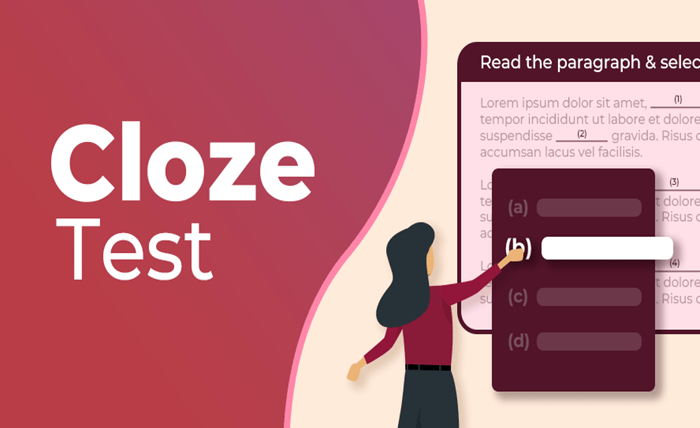
Before diving into strategies, it’s essential to understand what a Contextual Vocabulary Test entails. Cloze Test is a reading comprehension exercise where words are omitted from a passage. Your task is to fill in the blanks with the most appropriate words, ensuring the completed passage makes sense contextually and grammatically.
Build Your Vocabulary
A strong vocabulary is one of the fundamental requirements for excelling in a Contextual Vocabulary Test. To crack the code:
- Work on expanding your vocabulary regularly.
- Read books, newspapers, and articles from diverse fields to expose yourself to various words and contexts.
- Make it a habit to note unfamiliar words, look up the meanings, and practice using them in sentences.
Context is Key
In a Contextual Vocabulary Test, the missing words must fit seamlessly into the passage’s context. Pay close attention to the sentences before and after the blank spaces to understand the flow of the passage. This will help you choose words that make sense in the given context.
Part of Speech Recognition
Identifying the part of speech required for each blank is crucial. Sometimes, you may need a noun, a verb, an adjective, or an adverb to complete the sentence correctly. Analyse the passage’s structure to determine the appropriate part of speech for each blank.
Elimination Technique
Sometimes, you might need more clarification about the correct word to fill in a blank. In such situations, use the elimination technique. Eliminate the options that do not fit the context and make an educated guess among the remaining choices. This method can increase the chances of selecting the correct answer.
Practice, Practice, Practice
Practice is the key to improving your Cloze Test skills. Find practice papers and sample tests online or in study materials, and work through them regularly. As you practise, you’ll become more familiar with the patterns and types of questions frequently appearing in Contextual Vocabulary Tests.
Time Management
Time is of essence in any competitive exam. Allocate a specific time for each test section, including the Contextual Vocabulary Test. Stick to your time limit to complete all the questions within the given timeframe. If you’re stuck on a particular blank, move on to the next one and return to it later if you have time.
Avoid Overthinking
Overthinking can lead to incorrect answers. If you need clarification on a particular blank, trust your instincts and choose the most fitting option. Often, your initial intuition is more accurate than overanalyzing the choices.
Review Your Work
Once you’ve completed the Contextual Vocabulary Test, take a few minutes to review your answers if time allows. Check for grammatical errors or inconsistencies in your choices. Correct any mistakes you spot.
Simulate Test Conditions
To prepare effectively, simulate test conditions as closely as possible during practice sessions. Take the practice tests in a quiet environment with a time limit to mimic the actual test experience. This will help you become more comfortable with the test format and reduce test-day anxiety.
Cracking the Contextual Vocabulary Test code requires a combination of vocabulary, context analysis, and strategic thinking. Following these proven strategies and tips can significantly enhance your performance in this challenging assessment. Remember that practice is the main key to success, so dedicate time to honing your skills regularly. You can conquer the Contextual Vocabulary Test and excel in your chosen exams with determination and consistent effort.